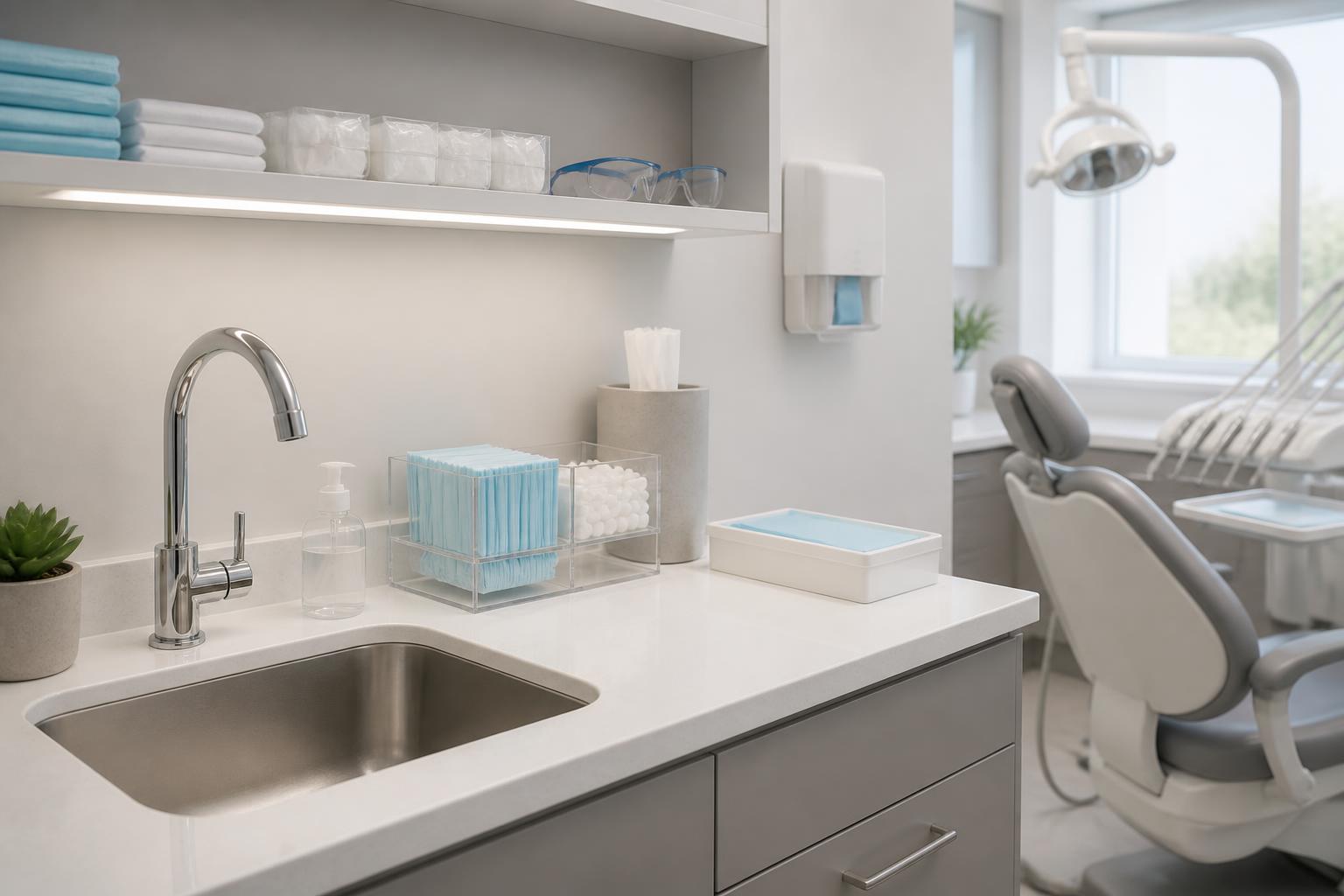
If your teeth feel fine today, that is exactly when preventive care matters most. Small issues can start quietly with plaque buildup, minor gum irritation, or a cavity that has not caused pain yet.
Dr. Courtney & Dr. Anton Misleh DDS helps patients across San Diego, CA stay ahead of those changes with regular exams, cleanings, radiographs, and home care guidance that make daily oral health easier to manage.
Preventive care is the routine dental support that helps you stay ahead of decay, gum concerns, and wear before they turn into larger treatment. At Dr. Courtney & Dr. Anton Misleh DDS, it centers on careful observation, cleaning, and practical guidance tailored to your mouth, your habits, and your dental history.
For many patients, that means a dental exam and cleaning on a regular schedule, along with radiographs when needed to see areas that cannot be checked by sight alone. It may also include advice on brushing technique, flossing, fluoride use, night guards, or ways to reduce staining and plaque buildup between visits.
Preventive visits are not just about polishing teeth. We look for the early changes that often do not hurt yet, but can still affect your comfort and treatment options later.
If something looks unusual, we explain what it means and what should happen next. That discussion matters because preventive care works best when you understand what is changing and why.
A preventive visit usually combines a professional cleaning with a dental exam. The cleaning removes plaque and buildup from surfaces that are difficult to reach well at home, while the exam checks for signs of disease, damage, or changes since your last visit.
During the cleaning, a hygienist removes buildup around the teeth and along the gumline, then finishes with polishing for a smoother surface. That smoother surface can make it harder for plaque to cling between visits.
The exam gives the dentist a chance to review gum health, tooth condition, bite changes, and any spots that may need follow-up. If you have sensitivity, bleeding, or a tooth that feels different from the rest, this is the right time to mention it.
At Dr. Courtney & Dr. Anton Misleh DDS, those visits are also a chance to answer home care questions and help you adjust habits before small concerns become major treatment.
What you do between appointments has a direct effect on how long your teeth and gums stay stable. The goal is not perfection. It is consistency with a routine that fits your life.
Good preventive care often comes down to small routines repeated well. When those routines are matched to your mouth, the effort becomes easier to maintain.
Preventive care matters for nearly everyone, but the details can differ from one patient to another. Some people need more frequent attention because of past decay, gum concerns, dry mouth, restorations, or habits that increase wear.
Others come in simply to keep a steady routine and make sure minor issues are caught early. Children, teens, adults, and older patients can all benefit from regular exams and cleanings because each stage of life brings different needs.
You do not need to wait for a serious problem before scheduling a visit. If you notice bleeding gums, new sensitivity, staining that seems to spread, or a tooth that feels rough or loose, preventive care can help clarify what is happening and what should come next.
Preventive care at Dr. Courtney & Dr. Anton Misleh DDS may include several services depending on what your mouth needs at the visit.
These services are designed to work together. Cleanings remove buildup, radiographs reveal hidden changes, and the exam ties everything together so the next step is clear.
Many patients like to know what a preventive appointment feels like before they arrive. The process is usually straightforward, with time set aside for both care and discussion.
New patient forms and contact information are available through the practice website, which makes it easier to prepare before your first appointment.
Preventive care works best as a pattern, not a one-time event. Regular visits help track subtle changes that can be missed when a lot of time passes between appointments.
Over time, that consistency can support simpler treatment decisions. A small cavity found early may need less work than one found after months of quiet progression. Gum irritation addressed sooner may be easier to manage than inflammation that has been building for a long time.
Dr. Courtney & Dr. Anton Misleh DDS brings over 30 years of combined experience to preventive dentistry for San Diego patients, with support from dental assistants, hygienists, and office staff who help keep visits organized and efficient.
That depends on your dental history, gum health, and risk for decay or wear. Many patients stay on a routine schedule so changes can be tracked over time.
Not always. Radiographs are used when they help the dentist see areas that cannot be checked clearly during the exam.
Yes. Bleeding gums can be a sign that plaque is building along the gumline or that your cleaning routine needs adjustment.
That is still a good reason to keep preventive visits. Many cavities and gum changes begin before they cause obvious pain or visible damage.
Yes. We can talk through brushing, flossing, and any trouble spots so your routine works better at home.
Yes. Existing fillings, crowns, bridges, dentures, and implant restorations are part of the review when you come in for care.