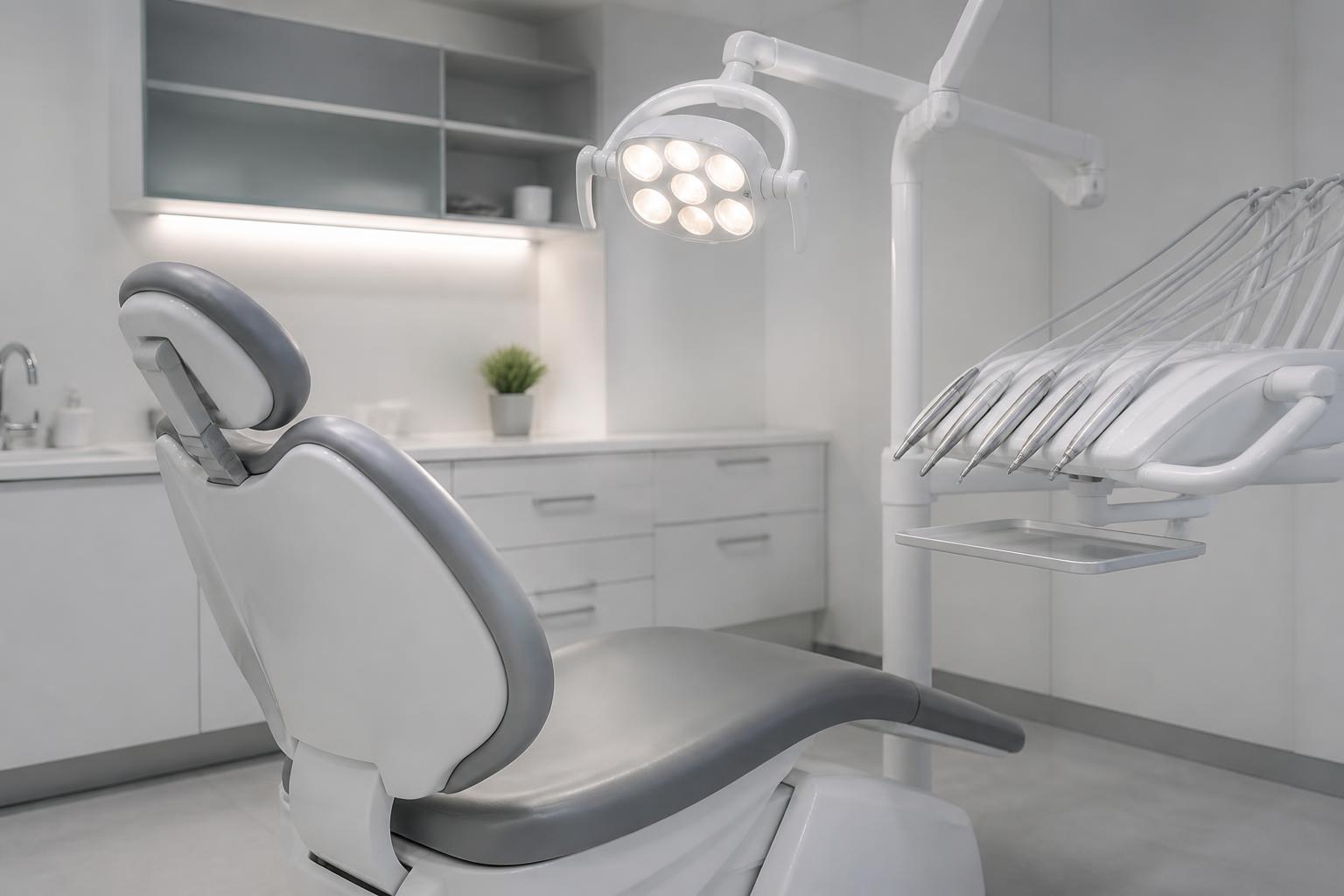
Missing teeth can change more than your smile. Biting into food may feel uneven, chewing may become more work, and nearby teeth can start shifting into open space. If you have been living around one gap or several, dental implants can give you a stable way forward without relying on removable replacements alone.
At Dr. Courtney & Dr. Anton Misleh DDS, we help patients across San Diego, CA explore implant restorations with clear guidance and practical next steps. Whether you need a single tooth replacement, support for a bridge, or a solution for a denture, we can review your options, examine your oral health, and map out treatment that fits your mouth and your goals.
Dental implants are used to replace missing tooth roots with a small support that becomes part of your restoration plan. Once the implant is placed and has time to integrate with the jaw, it can support a crown, bridge, or denture. That creates a replacement that feels more secure than many traditional options and can help you chew and speak with more confidence.
At Dr. Courtney & Dr. Anton Misleh DDS, we use implant treatment for a range of needs, from replacing a single tooth to stabilizing larger restorations. The goal is not just to fill a gap, but to rebuild the way your teeth work together.
Many people wait too long before asking about implants because they think missing teeth are only a cosmetic concern. In reality, gaps can create practical problems every day. If chewing feels awkward or you avoid certain foods, it may be time to talk through replacement options.
Some patients also notice changes around the gap itself. Teeth may drift, your bite may feel different, or a removable appliance may not feel as secure as it used to. These are all good reasons to schedule an exam and learn whether implant care makes sense for your situation.
You may want a replacement that looks natural and blends with surrounding teeth.
Nearby teeth can move into open space and affect alignment.
Biting may feel uneven, especially on one side.
A denture or bridge may no longer feel as dependable as you want.
Implant treatment starts with a conversation and an exam. We look at the missing tooth area, check the surrounding teeth and gums, and review the health of the tissues that support a restoration. Radiographs may also be part of the process so we can see what is happening below the surface and plan carefully.
Dr. Anton Misleh and Dr. Courtney Misleh bring more than 30 years of combined experience to this type of care, which helps patients understand each step before anything moves forward. We explain what the implant is meant to do, what kind of restoration may follow, and how the process fits into your overall dental health.
We assess the space, the bite, and your dental history.
We determine whether a single implant, bridge support, or denture support is the right route.
We discuss the implant phase and the restoration phase so you know how the process unfolds.
Once the implant is ready, it can support a crown, bridge, or denture designed for your mouth.
Not every missing tooth situation calls for the same solution. Some patients want to replace one tooth with a single implant. Others need a stronger way to support a bridge. For patients who wear dentures, implant retention can help reduce movement and make daily use feel more secure.
We review the size of the gap, how many teeth are missing, and how the remaining teeth are doing before recommending a path. That way, the restoration matches the condition of your mouth rather than forcing your mouth to fit a one-size-fits-all solution.
Patients often want implants because they want normal routines to feel easier again. Eating, talking, and smiling can all become more comfortable when a replacement is secure. A well-planned implant restoration can also make it easier to brush and floss around the area, depending on the type of restoration chosen.
Good implant care also supports long-term oral health habits. Once a replacement is stable, your regular cleanings, exams, and home care guidance remain important. The implant is only part of the picture. The surrounding teeth and gums still need attention.
Many adults with missing teeth can explore implant treatment, but the right choice depends on your oral health and the condition of the area being treated. Healthy gums, enough support for the implant, and a clear treatment plan all matter. If there are other concerns, such as decay or gum disease, those may need attention first.
During your visit to Dr. Courtney & Dr. Anton Misleh DDS, we look at the whole picture. Sometimes the best next step is implant treatment right away. Other times, restorative care, periodontal care, or other dental work comes first so the mouth is ready for a lasting result.
After implant restoration, routine care matters. Regular exams and cleanings help us monitor the implant area, surrounding teeth, and gum health. If you grind your teeth at night, a night guard may also be part of the conversation because excess pressure can affect restorations over time.
Your home routine matters too. We can show you how to clean around implant-supported restorations and how to keep the rest of your mouth on track. That guidance is especially helpful for patients balancing implants with crowns, fillings, bridges, or dentures elsewhere in the mouth.
That depends on how many teeth are missing and what the surrounding teeth and gums need. A single implant is often used when one tooth is gone and the neighboring teeth are healthy enough to stay untouched.
Yes. Implant-retained bridges can replace several teeth while avoiding some of the stress placed on nearby natural teeth.
They are. Implant-retained dentures gain extra support from implants, which can help reduce slipping and improve day-to-day stability.
Sometimes. If decay, gum concerns, or other restorative needs are present, those may need attention before implant treatment begins.
The timeline depends on your mouth, the type of restoration, and how the implant phase fits with the rest of your treatment plan. We explain the sequence during your consultation.
Bring any questions you have, a list of medications if needed, and details about past dental work. If you have new patient forms from the practice website, completing them ahead of time can help your visit move smoothly.
If you are considering dental implants in San Diego, CA, Dr. Courtney & Dr. Anton Misleh DDS can help you understand your options and build a clear path forward. Our office is open Monday through Thursday from 8:00 am to 5:00 pm at 4320 Genesee Ave UNIT 204, San Diego, CA 92117. Call +18582681618 to schedule a visit and discuss the right implant solution for your smile.