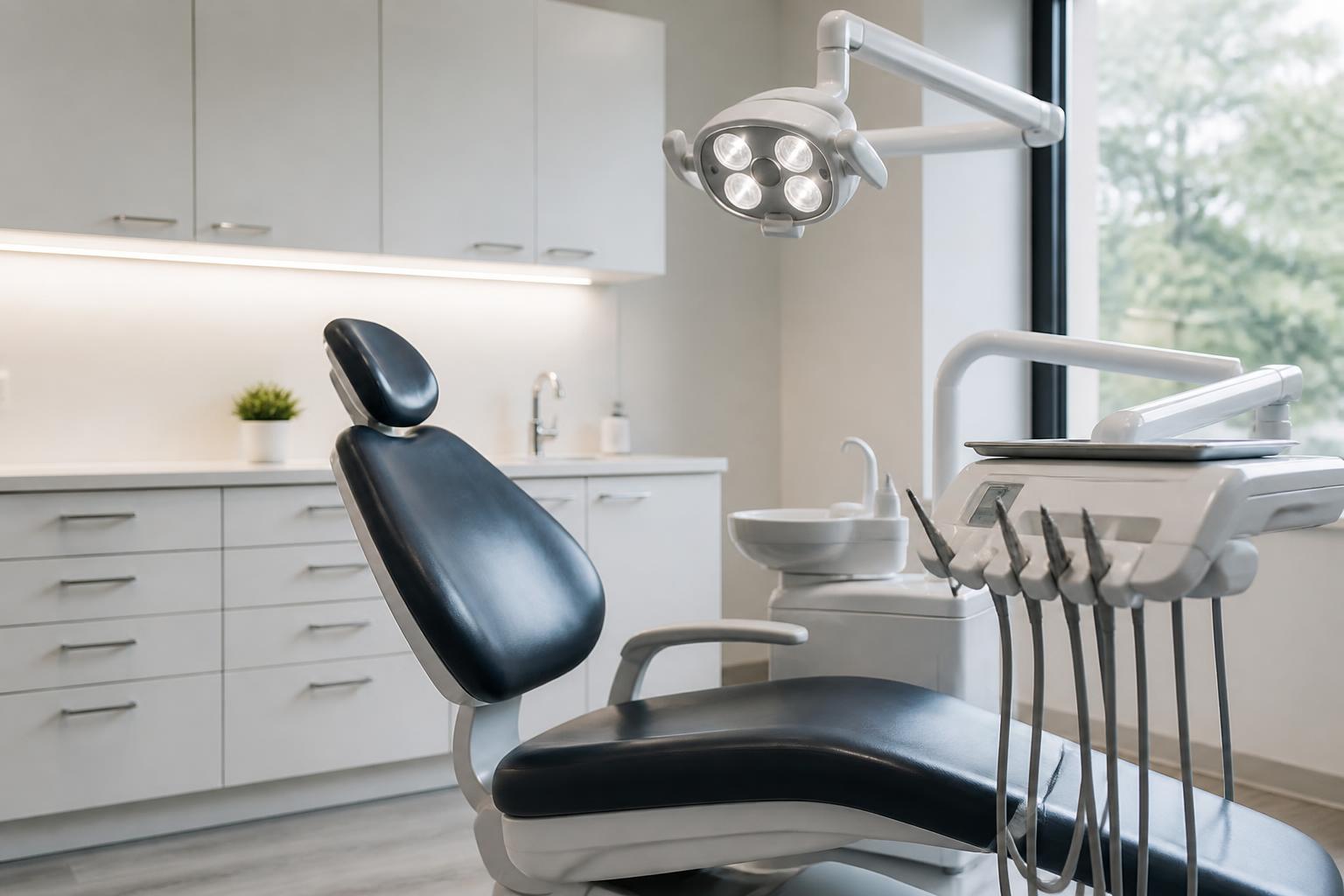
A toothache, bleeding gums, rough buildup, or a chipped filling can make everyday eating and speaking harder than it should be. When small problems start getting attention early, they are usually easier to treat and less likely to turn into bigger dental work later.
At Dr. Courtney & Dr. Anton Misleh DDS, we help patients at 4320 Genesee Ave, Unit 204 with general dentistry care that fits real life. If you are overdue for a checkup, noticing sensitivity, or want a steady place for routine dental care, we can help you take the next step with confidence.
General dentistry is the foundation of long-term oral health. It focuses on keeping your teeth, gums, and bite healthy through regular exams, cleanings, imaging, and treatment for common concerns before they become more complicated.
At Dr. Courtney & Dr. Anton Misleh DDS, we use general dentistry to monitor what is changing, explain what we see, and recommend care that matches your needs. That may mean a simple cleaning and exam, or it may mean moving forward with restorative treatment for a tooth that needs more support.
These visits are not just about spotting obvious pain. They also help catch changes like enamel wear, early decay, gum irritation, and old restorations that may need attention.
A general dentistry visit is more detailed than many patients expect. We are looking at the visible surfaces of your teeth, the health of the gums, and the overall condition of older dental work.
That means we may discuss areas that feel sensitive, food traps that keep bothering you, staining that has changed, or a crown, filling, or bridge that is showing wear. We also review any signs that point to grinding, clenching, or bite imbalance.
Small cavities may start without pain. They can be treated more simply when found early.
Redness, swelling, or bleeding during brushing can point to gum irritation that needs closer attention.
Fillings, crowns, and other restorations can wear down, loosen, or develop edges that collect plaque.
Chips, flat spots, and cracks may suggest grinding or pressure from your bite.
When something needs treatment, we explain why it matters and what options make sense for your mouth right now.
For many patients, the most important part of general dentistry is staying consistent with preventive visits. Cleanings and exams help keep minor problems from becoming harder to manage later.
During a cleaning, hardened buildup is removed from areas that are difficult to reach at home. During the exam, we look for early signs of decay, gum disease, bite changes, and other concerns that may not be obvious yet.
If it has been a while since your last visit, that is common. We can help you restart care without judgment and make the process straightforward.
General dentistry also covers treatment that rebuilds teeth after damage, wear, or decay. The goal is to restore comfort, chewing ability, and appearance while matching the restoration to the amount of tooth structure that remains.
Depending on your needs, that may include composite fillings, crowns, inlays and onlays, bridges, dentures, root canal therapy, oral surgery, or implant restorations. We also discuss teeth whitening, veneers, and smile makeovers when cosmetic improvement is part of the plan.
We focus on treatment that supports your long-term oral health rather than chasing short-term fixes.
Some dental problems are caused or worsened by pressure, clenching, or repeated stress on the teeth. A protective appliance can reduce that strain and help protect both natural teeth and dental restorations.
For patients who grind at night or wake with jaw tension, a night guard may be recommended. It creates a barrier between the upper and lower teeth and can help reduce wear, chips, and soreness linked to clenching.
If you have symptoms that come and go, mention them during your visit. Even small clues can point to a bite issue that deserves attention.
General dentistry often includes planning for missing teeth because gaps can affect how you chew, how your bite meets, and how the teeth beside the space move over time. Replacing missing teeth may also make it easier to clean and maintain the rest of your smile.
At Dr. Courtney & Dr. Anton Misleh DDS, we provide implant-focused care as well as restorations that work with implants. That can include single implants, implant-retained bridges, and implant-retained dentures, depending on how many teeth are missing and what support is needed.
We also offer bridges and dentures for patients who need non-implant options. The right choice depends on your oral health, your goals, and the condition of the surrounding teeth and gums.
Dental visits are easier when you know what to expect. Most general dentistry appointments start with a review of your concerns, followed by an exam and any imaging that may help us understand what is happening below the surface.
After that, we discuss findings and next steps in clear language. If treatment is needed, we outline the sequence so you know what comes first and what each step is meant to address.
We ask what feels different, where you notice it, and how long it has been going on.
We look for decay, gum irritation, wear, and signs of past dental work that needs review.
Radiographs help us see areas that are not visible during the exam alone.
We discuss cleaning, monitoring, restorative treatment, or appliance options as needed.
Patients often appreciate having a clear explanation of what is urgent, what can wait, and what deserves routine follow-up.
Small dental concerns are easier to manage when they are not ignored. A cleaning that gets put off for too long can turn into buildup around the gums. A tiny crack can become a larger restoration. A tooth that feels only mildly sensitive can develop a more serious problem if it is never checked.
General dentistry gives you a practical way to stay ahead of those changes. You do not need to wait until something hurts to ask questions or schedule a visit.
Dr. Courtney & Dr. Anton Misleh DDS serves patients from San Diego, CA with care that fits the reality of busy schedules and changing dental needs. The office is open Monday through Thursday from 8:00 am to 5:00 pm.
Many patients do well with regular preventive visits, but the right timing depends on your gum health, cavity risk, and any ongoing treatment needs. We can help you determine a schedule that fits your mouth.
That is very common. We will start with an exam, review any concerns you have, and help you return to care without making the process feel complicated.
Yes. Older restorations are part of a general dentistry visit because they can show wear, loosen over time, or collect decay at the edges.
Yes. Sensitivity may come from exposed root surfaces, worn enamel, decay, a crack, or a bite issue. An exam helps narrow down the cause.
We can discuss cosmetic options such as teeth whitening, veneers, or a smile makeover after we evaluate the overall health of your teeth and gums.
Implant restorations are part of our broader general dentistry care. We can review whether a single implant, implant-retained bridge, or implant-retained denture fits your situation.
If you are looking for general dentistry at a San Diego, CA office that can handle routine care, restorative needs, and long-term planning, contact Dr. Courtney & Dr. Anton Misleh DDS at +18582681618 to get started.