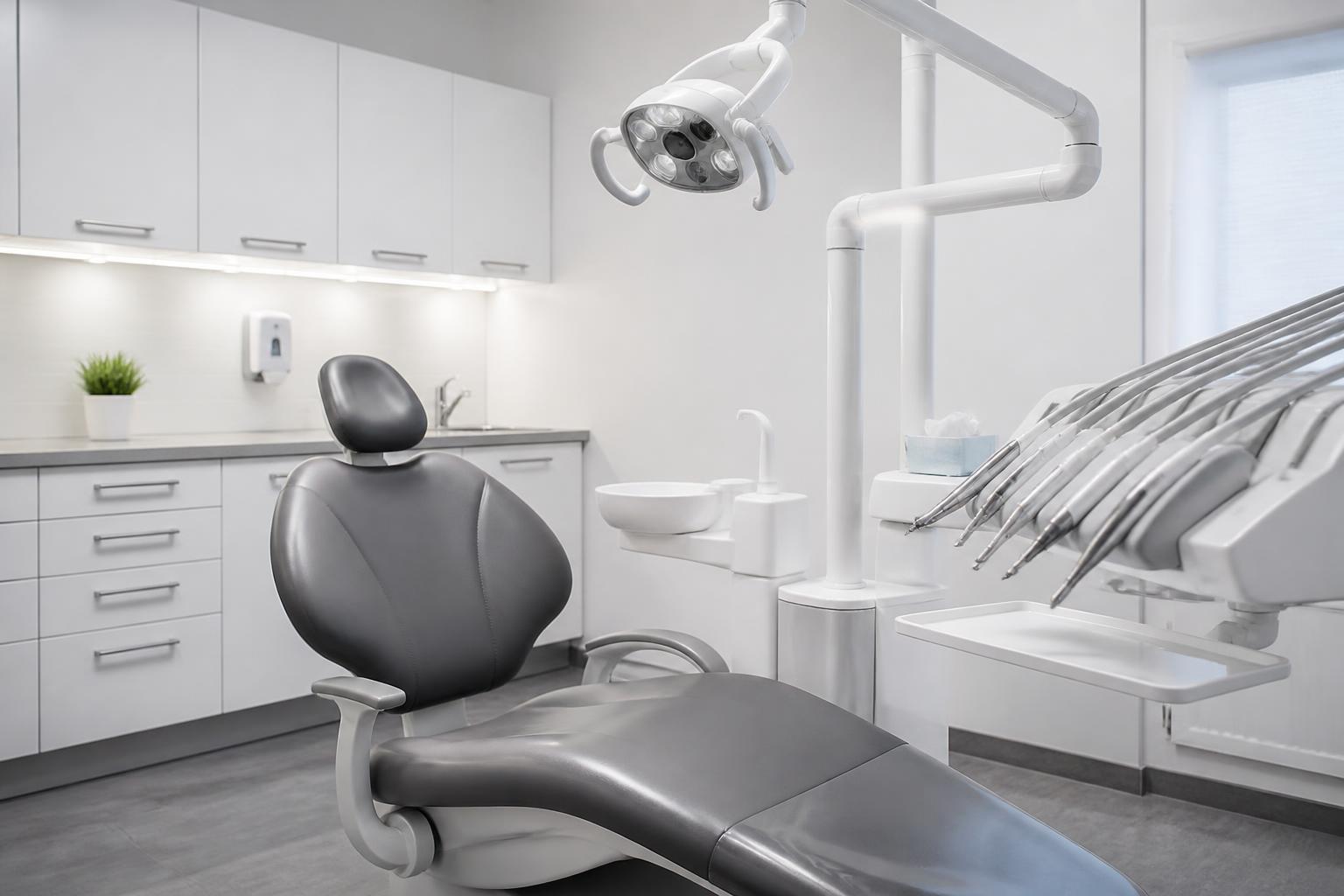
Severe tooth pain, a broken tooth, or sudden swelling can make it hard to think clearly. If you are dealing with a dental problem that cannot wait, quick care can help ease discomfort and protect your tooth and gums.
Dr. Courtney & Dr. Anton Misleh DDS provides urgent dental treatment for patients across San Diego, CA, with care for pain, trauma, infection concerns, and damaged restorations. Call +18582681618 to speak with the office about your symptoms and the next step.
Some dental problems can be managed at home for a short time, but others need prompt attention from a dentist. If your mouth hurts suddenly or something has broken, do not wait and hope it settles on its own.
If you are unsure whether the problem needs quick attention, call Dr. Courtney & Dr. Anton Misleh DDS and describe what you are feeling. Clear details help us guide you toward the next step.
Tooth pain often starts as a sharp ache, then becomes constant, pulsing, or sensitive to hot and cold. Swelling may point to irritation, infection, or trauma that needs a close look. These symptoms can make it hard to eat, sleep, or focus on work and daily tasks.
Watch for pain that worsens with biting, swelling near one tooth, a bad taste that does not go away, or tenderness around the jaw. If you have a fever along with mouth swelling, call the office right away and explain the change.
Do not place aspirin directly on the gums, and do not ignore swelling that is getting larger. Avoid chewing on the sore side, and do not keep testing the tooth with your fingers or tongue.
A cracked or broken tooth may expose sensitive layers and leave the area vulnerable to more damage. Even a small chip can turn into a larger fracture if the tooth is used before it is checked.
At Dr. Courtney & Dr. Anton Misleh DDS, the focus is on examining the tooth, checking nearby tissues, and recommending the most suitable repair based on the type of damage.
A lost filling, crown, bridge, or denture can expose the tooth underneath and make eating uncomfortable. If a restoration comes loose, the exposed area may feel sensitive to air, temperature, or pressure.
Keep the restoration if you can find it, and avoid chewing on the affected tooth. If the tooth feels rough or sensitive, call for guidance so we can help you determine what should happen next.
Sometimes the tooth underneath has decay or a crack that was hidden before the restoration came off. In other cases, the restoration itself may no longer fit the way it should. A dental exam can sort out the cause and the repair.
Sports falls, slips, and bites on hard foods can all damage teeth. Even if the injury seems minor, a tooth may be loosened, shifted, or injured below the surface. Acting quickly can reduce the chance of further harm.
If a tooth is knocked out completely, handle it carefully and bring it with you if instructed to do so. Time matters, and the sooner a dentist examines the area, the better the chance of planning the right treatment.
When you arrive at the office, we begin by listening to your symptoms and learning how the problem started. That first conversation helps narrow down the cause and determine which areas need to be examined first.
Dr. Courtney & Dr. Anton Misleh DDS sees many urgent dental problems as part of general dentistry, including restorative, endodontic, periodontal, and implant-related concerns.
While you are arranging care, a few simple steps can help you stay more comfortable without making the problem worse. These steps are meant for short-term relief until the tooth can be examined.
If pain is intense or swelling is increasing, call the office and describe the changes. That helps us understand how quickly you need to be seen.
The practice is open Monday through Thursday from 8:00 am to 5:00 pm. If you need urgent dental help during those hours, contact the office at +18582681618 so the staff can help coordinate the next step.
Dr. Courtney & Dr. Anton Misleh DDS serves patients at 4320 Genesee Ave UNIT 204, San Diego, CA 92117. New patient forms and contact information are available through the practice website.
Call the office and explain how long the pain has lasted, where it is located, and whether anything makes it worse. Avoid chewing on that side and use a cold compress if the face feels tender or swollen.
Some small chips may not cause immediate trouble, but a crack can deepen or expose sensitive tooth structure. It is safer to have the tooth examined soon after the injury happens.
Keep the restoration if possible, avoid chewing on that tooth, and contact the office. The exposed tooth may become more sensitive and may need prompt attention.
Swelling can signal irritation, injury, or a problem below the surface that should be checked. If swelling spreads or affects your ability to open your mouth comfortably, call right away.
Share the main symptom, when it started, whether there was an injury, and if you have swelling, bleeding, or a broken restoration. Those details help the office understand the situation faster.
Yes, new patients can contact the practice for guidance and next steps. If you have new forms to complete, the office can direct you to the information available through the website.